


Every business that sends freight has had the quote that looks too good. Same lane, same pallet, a long way under everyone else. It is worth understanding how that number is reached, because the answer affects you as well as the carrier.
Freight costs are not mysterious. Vehicles, fuel, insurance, maintenance, depot, administration and labour. The first six are much the same for everyone. Labour is where quotes diverge, and it is where the regulators are now looking.
What the regulators said this year
In March 2026 the Australian Taxation Office and the Fair Work Ombudsman announced a joint crackdown on sham contracting, and named road freight as one of two focus industries alongside building and construction.
Sham contracting is where a worker is labelled an independent contractor when the business does not reasonably believe that is accurate, usually so it can avoid superannuation, leave and workers’ compensation. The figures the regulators published:
- Road freight produced over 800 tip-offs in 2024–25, with nearly a quarter alleging sham contracting.
- ATO data matching now covers about 185,000 businesses, 1.4 million contractors and over $507 billion in payments.
- The ATO receives almost 1,000 community tip-offs a week.
Penalties under the Fair Work Act run to $19,800 for an individual, $99,000 for a business with fewer than 15 employees, and for a business with 15 or more employees the greater of $495,000 or three times the underpayment. Unpaid superannuation, PAYG penalties and the superannuation guarantee charge sit on top.
How the gap opens up
An employed driver carries superannuation, annual leave, sick leave, public holidays, workers’ compensation and payroll tax. A driver on an ABN doing the same work under the same direction, with none of that, is a great deal cheaper to the business paying them, and the saving shows up in the rate.
It is not always deliberate. Genuine owner-drivers are a long-standing and legitimate part of this industry, and plenty of operators engage them properly. The problem is the arrangement that looks like employment in everything but name.
There is a second lever too. Rates that do not cover a proper cost base tend to be funded by longer hours and deferred maintenance, which is a safety question rather than a tax one.
Why this is the sender’s problem as well
- Chain of Responsibility. Under the Heavy Vehicle National Law, a business that sends or receives freight is a party in the chain, and carries a duty to ensure the safety of its transport activities so far as is reasonably practicable. Your carrier’s fatigue and maintenance practices sit inside your chain. See our Chain of Responsibility guide.
- Continuity. Operators running below cost do not last. Mid-contract failure means finding a new carrier at short notice, usually in peak season.
- Service. Underpaid work attracts high driver turnover. A new face on your run every few weeks is how deliveries get missed and receivers get frustrated.
- Reputation. The vehicle at your customer’s door is wearing your delivery, whatever is written on the side.
Questions worth asking any carrier
- Are your drivers employees or contractors? If contractors, are they genuine owner-drivers running their own businesses?
- Do your own drivers deliver my freight, or is it subcontracted on?
- How do you manage fatigue and driving hours?
- Who maintains your vehicles, and how often?
- What insurance do you carry, and can I see a certificate of currency?
- What is your driver turnover like?
Any carrier running a proper operation will answer all six without hesitating. The answers also help you show what you did to meet your own duty.
How we do it
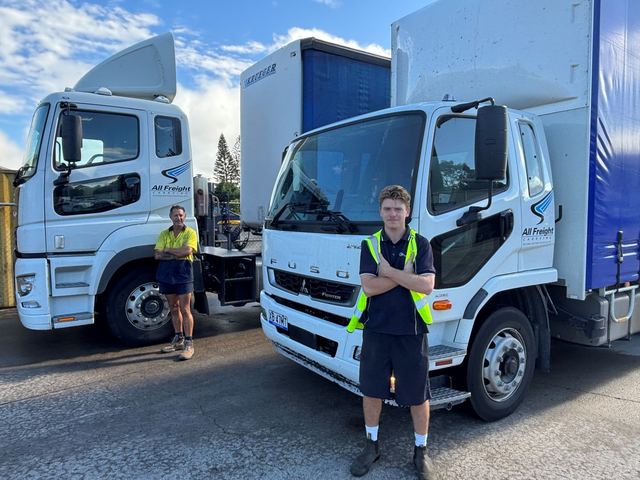
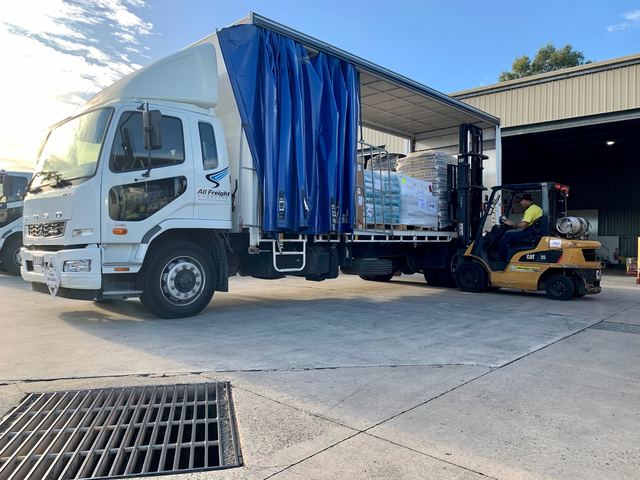
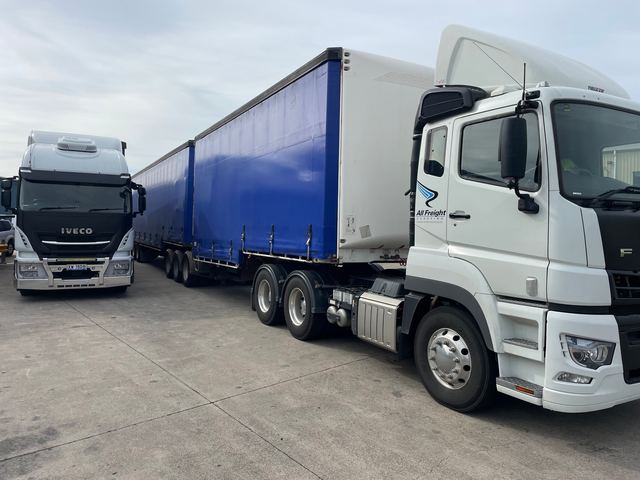
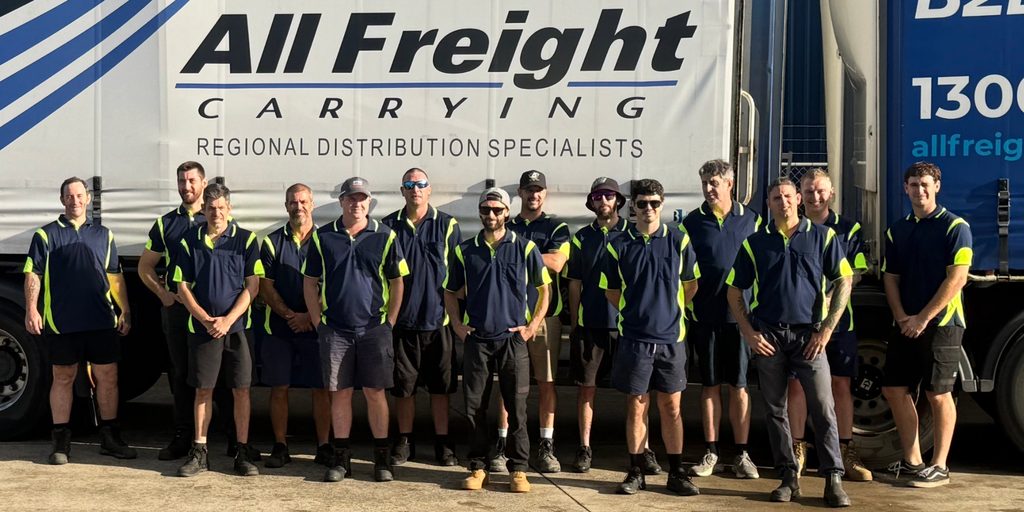
Our drivers are our employees. They are paid hourly, they are on fixed runs, and the people in the photo above are the ones who turn up to your customers. We run late-model vehicles bought new and serviced by the dealer, we keep backup vehicles for breakdowns and peak volumes, and we plan peak season early rather than pushing drivers harder in December.
That approach does not produce the cheapest quote on the page, and we are not going to pretend otherwise. It produces a rate that covers the cost of doing the job properly, with the same drivers next year.
If you are comparing carriers, our guide to choosing a freight company sets out the full checklist. Or ask us for a quote and put the six questions above to us.
General information only, not legal or industrial relations advice. For the regulators’ own material see the Fair Work Ombudsman and the ATO.
Published by All Freight Carrying, Yandina, Sunshine Coast · 21 October 2026 · Last updated 25 October 2026